A 3D avatar you control by typing, talking, or showing it a photo. An LLM pipeline turns your prompt into real joint movement played back on the avatar, and in the full lab setup, mirrored onto a person wearing electrical muscle stimulation (EMS) electrodes.
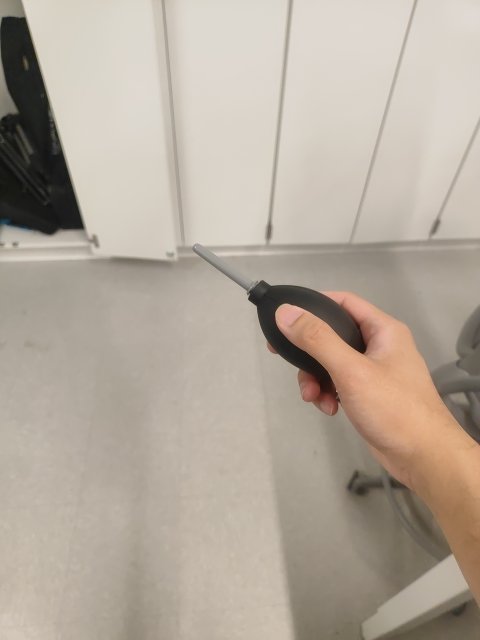

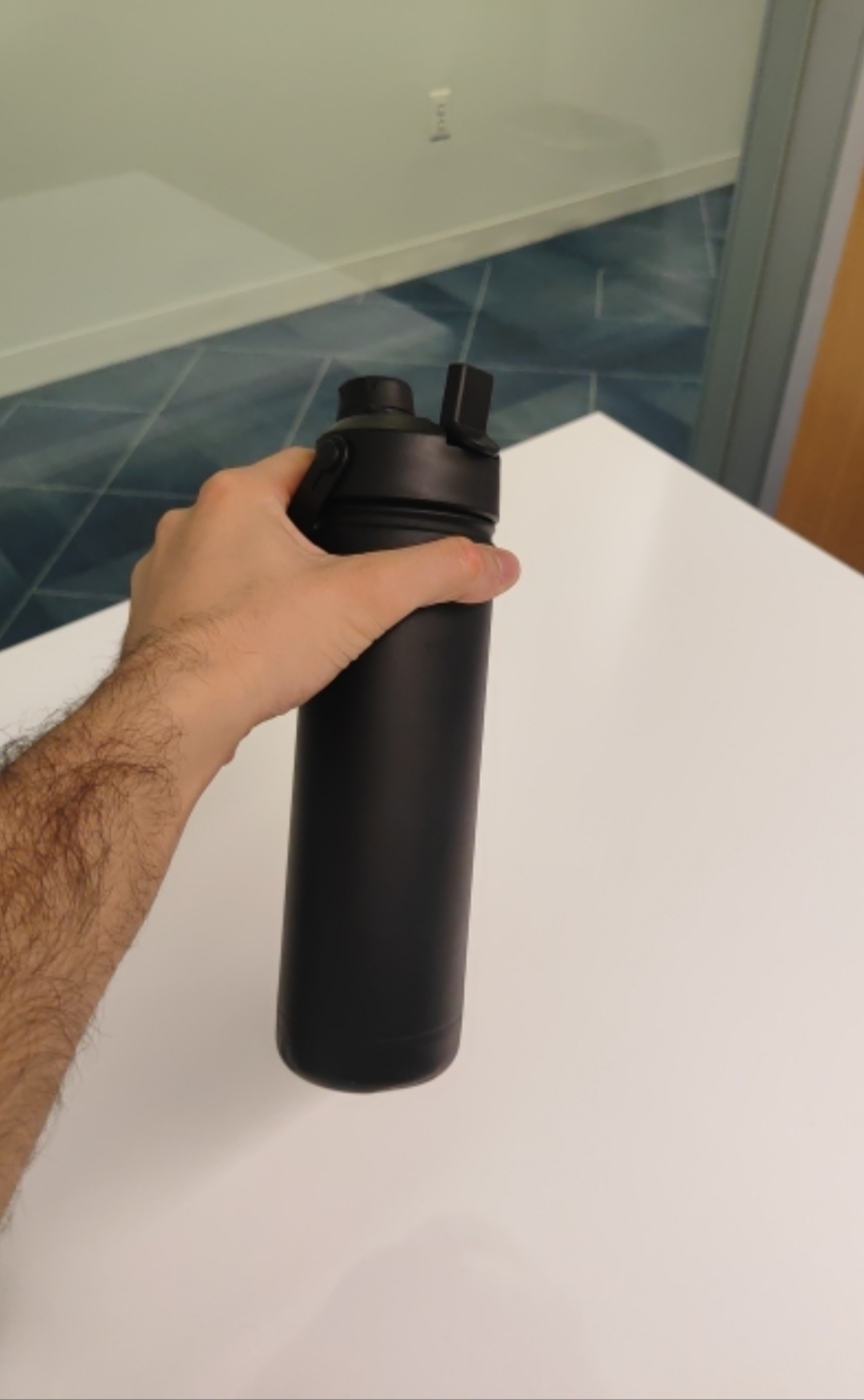
About the project
Embodied AI is a research prototype built at the Human Computer Integration Lab at the University of Chicago. It explores whether a large language model can plan physically plausible, biomechanically valid body movements from an open-ended instruction — recognizing the object or goal involved, planning a sequence of joint movements to achieve it, and converting that plan into precise joint-level commands — and have those commands played back on a 3D avatar in real time.
The same command format is designed to drive electrical muscle stimulation (EMS) hardware, letting the system physically guide a person's own arm through a motion rather than just showing it on screen — the lab's broader research direction on devices that integrate directly with the human body instead of just sitting alongside it.